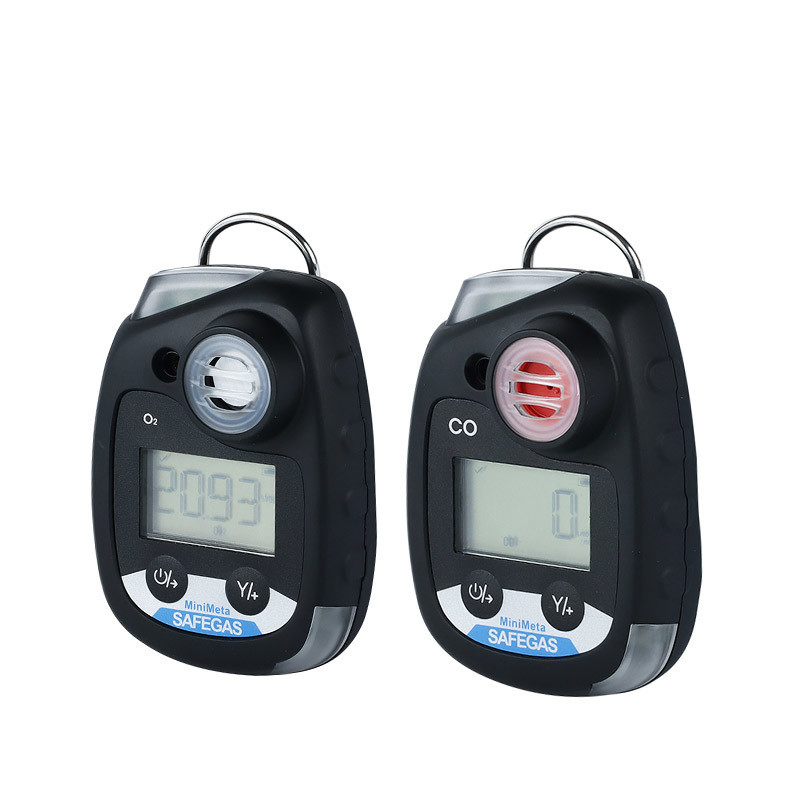
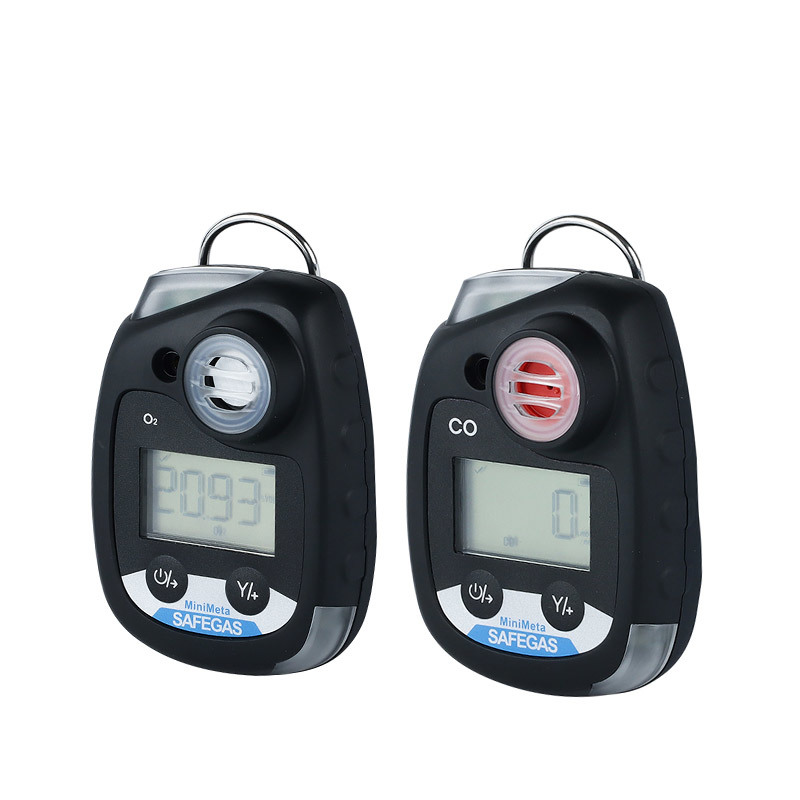
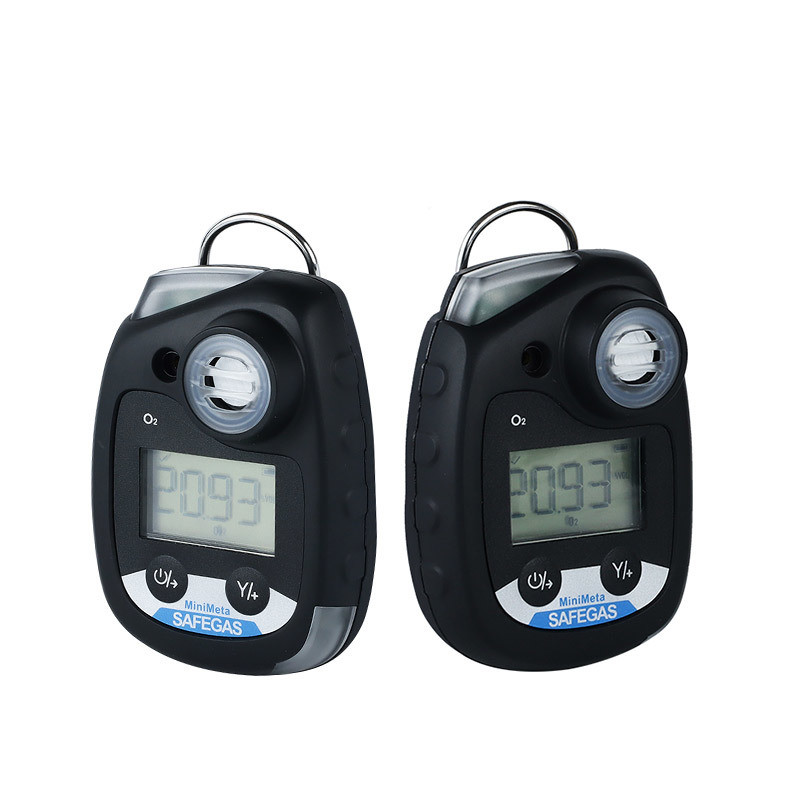
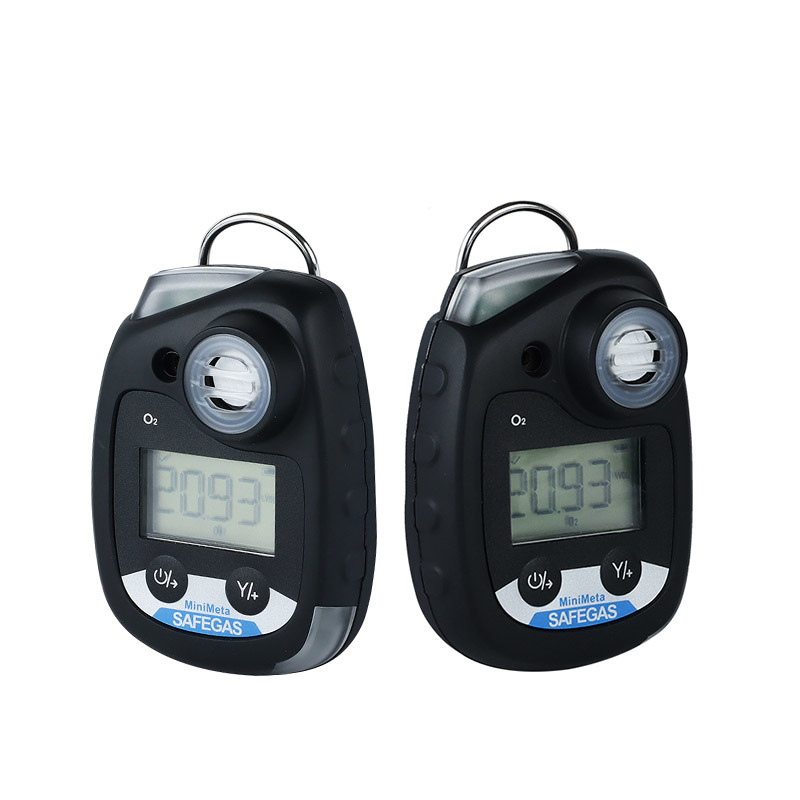
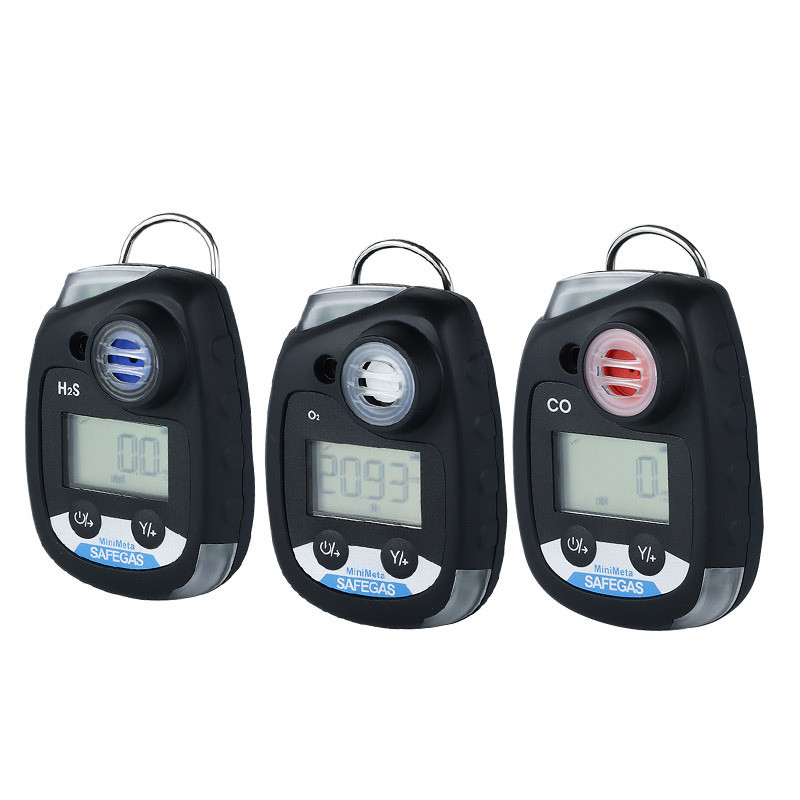
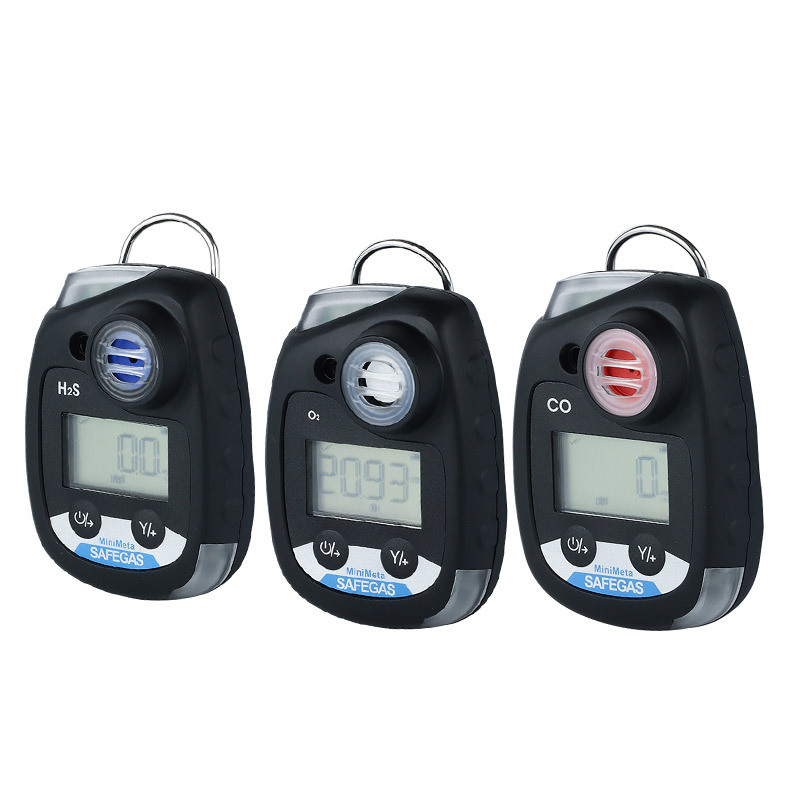
MiniMeta Portable Single Gas Detector
A compact, IECEX/ATEX/EMC certified single-gas detector with IP68 water/dust resistance and 2-year standby time (no charging, no calibration needed during standby). Detects sulfur dioxide (SO2) from 0–100ppm with 0.01ppm resolution. Features 95dB alarm, dual red LEDs, vibration alarm, and replaceable battery & sensor. Optional DKM / DKS docking stations for automated bump testing, calibration, and data management. Ideal for industrial hygiene, environmental monitoring, and flue gas detection.
Product Overview
The MiniMeta is an IECEX/ATEX/EMC certified portable single-gas detector designed for long-term, low-cost ownership. It operates on a 3.6V dry battery (non-rechargeable, replaceable) with an extraordinary 2-year standby time – no charging and no calibration required during this period. The battery and sensor are both replaceable, extending the device's service life.
Taking sulfur dioxide (SO2) as an example, the MiniMeta uses an electrochemical sensor to measure concentrations from 0–100ppm with a fine resolution of 0.01ppm. Accuracy is ≤ ±2–5% FS, with a response time (T90) of 15–30 seconds.
The detector features three simultaneous alarm modes: 95dB buzzer (@30cm) , 2 high-brightness red LEDs, and vibration alarm. Users can set low/high alarm thresholds, STEL, TWA, and receive low battery, calibration due, and bump test due alerts. The LCD display shows gas name, concentration, unit, and battery power, along with real-time value, TWA, STEL, MAX, and MIN.
For fleet management, the MiniMeta supports optional single or multi-unit docking stations (DKM / DKS) for automated bump testing, calibration, parameter configuration, and data export.
Why Detect Sulfur Dioxide (SO2)?
Sulfur dioxide is a colorless, pungent gas produced by burning fossil fuels containing sulfur and by industrial processes. It is a major air pollutant and poses serious health risks.
Common sources of SO2 emissions:
| Source Category |
Specific Sources |
| Combustion |
Coal-fired power plants, oil refineries, diesel engines, ships |
| Industrial |
Smelters (copper, zinc, lead), cement kilns, pulp & paper mills, steel plants |
| Chemical |
Sulfuric acid manufacturing, fertilizer production, petroleum refining |
| Food |
Sulfur fumigation for dried fruits, wine making (preservative) |
| Natural |
Volcanic eruptions, hot springs, organic decomposition |
Health effects of SO2 exposure:
| Concentration (ppm) |
Health Impact |
| 0.3 – 1 ppm |
Detectable odor; throat and eye irritation |
| 1 – 5 ppm |
Reduced lung function; coughing; wheezing in asthmatics |
| 5 – 10 ppm |
Severe respiratory irritation; bronchospasm |
| 10 – 50 ppm |
Immediate respiratory distress; pulmonary edema |
| >50 ppm |
Life-threatening; cause permanent lung damage or death (immediately dangerous to life and health, IDLH = 100 ppm) |
Where MiniMeta is used for SO2 detection:
- Flue gas monitoring – Power plants, incinerators, industrial boilers
- Petroleum refining – Catalytic crackers, sulfur recovery units, flare stacks
- Metal smelting – Copper, lead, zinc, and nickel smelters
- Pulp & paper mills – Kraft pulping process, recovery boilers
- Food processing – Sulfur fumigation for dried fruits, wine making (preservative)
- Environmental monitoring – Urban air quality, volcanic activity, fumaroles
- Chemical plants – Sulfuric acid and fertilizer production
- Maritime shipping – Engine room emissions using high-sulfur fuel
- Mining – Ore roasting and smelting operations
- Laboratories – Fume hoods and chemical storage areas
Product Pictures

Key Technical Specifications (for SO₂, 0–100ppm)
| Parameter |
Value |
| Gas Detected |
Sulfur Dioxide (SO2) – also supports O₂, H₂S, CO, and hundreds of other gases |
| Detection Principle |
Electrochemical |
| Measuring Range |
0 – 100 ppm |
| Resolution |
0.01 ppm |
| Accuracy |
≤ ±2–5% FS (depending on specific sensor) |
| Response Time (T90) |
15–30 seconds (depending on specific sensor) |
| Display |
Gas name, concentration unit, measured value, battery power |
| Alarm Mode |
Sound (95dB @30cm), light (2 high-bright red LEDs), vibration |
| Alarm Types |
Low alarm, high alarm, STEL, TWA, low battery, calibration due, bump test due – all user adjustable |
| Power Supply |
3.6V dry battery (non-rechargeable, replaceable) |
| Standby Time |
2 years – no charging, no calibration needed during this period |
| Data Logging |
Optional with event and data logging function |
| Self-Test Function |
Automatic self-test improves safety |
| Explosion-Proof Grade |
Ex ia IIC T4 Ga |
| Protection Class |
IP68 (waterproof and dustproof) |
| Executive Standards |
GB 12358-2006, GB 3836.1-2010, GB 3836.4-2010, IEC 60079-0-2017, IEC 60079-11-2, etc. |
| Working Temperature |
-20°C to +55°C |
| Working Humidity |
0–95% RH (non-condensing) |
| Working Air Pressure |
86–106 kPa |
| Dimensions (L×W×H) |
90 × 60 × 33 mm |
| Weight |
125 g (with clip) |
Main Features
- Certified safety – IECEX/ATEX/EMC certified, Ex ia IIC T4 Ga for hazardous areas (Zone 0, 1, 2).
- IP68 protection – Fully waterproof and dustproof, submersible and washable.
- 2-year standby time – Powered by replaceable 3.6V dry battery; no charging needed for two years.
- Replaceable battery and sensor – Extends device lifetime and reduces long-term ownership cost.
- Triple alarm system – 95dB buzzer + dual high-bright red LEDs + vibration alarm.
- Multiple alarm types – Low alarm, high alarm, STEL, TWA, low battery, calibration due, bump test due – all user adjustable.
- Comprehensive display – Shows gas name, concentration, unit, battery level, real-time value, TWA, STEL, MAX, MIN.
- Automatic self-test – Improves safety by verifying sensor and circuit integrity on power-up.
- Optional docking station support – For automated bump tests, calibration, parameter configuration, and data export.
- pact and wearable – Small size (90×60×33mm), lightweight (125g), with back clip for easy attachment.
Docking Station System: DKM vs. DKS
The MiniMeta can be used with two types of docking stations to simplify fleet management, automate calibration, and maintain compliance records. Both support bump testing, calibration, parameter configuration, and data export, but they serve different purposes.
| Feature |
DKM-MiniMeta (Hardware Docking Station) |
DKS-MiniMeta (PC Software Suite) |
| Type |
Physical docking station (standalone hardware) |
PC software + USB connection |
| Primary Function |
Automated bump testing, calibration, parameter configuration, data export to USB |
PC-based calibration, configuration, data viewing, and certificate generation |
| Connection |
Detector inserted into docking station; calibration gas connected to GAS IN port |
Detector connected to PC via USB cable |
| Display |
LED indicators (STATUS, POWER, PUMP, NET/TCP) |
PC screen with real-time curve and data logs |
| Key Features |
- One-key bump test
- One-key calibration
- One-key parameter configuration
- Automatic bump/calibration mode (with DFR regulator)
- USB data export (bump, calibration, config records)
- Wi-Fi cloud upload (optional)
- Pump block protection
|
- Span calibration with curve
- Configuration update (alarm thresholds, calibration/bump intervals)
- Bump test with pass/fail results
- Data export to Excel (.xls)
- Calibration certificate generation (PDF)
- Real-time data monitoring
|
| Software Required |
PC software for initial configuration (WiFi, gas cylinder info, etc.) |
Integrated PC software (DKS-MiniMeta) |
| Use Case |
Field/fleet maintenance: quick daily bump tests and calibrations on multiple detectors |
Office/lab: detailed calibration, configuration, certificate printing, and data analysis |
DKM-MiniMeta-AW Docking Station (Hardware)
The DKM is a physical docking station where you insert the MiniMeta detector. It connects to calibration gas and automates the bump test/calibration process.
Key functions:
- One-key bump test – Press BUMP button; LED indicates pass/fail.
- One-key calibration – Press CAL button (only if bump test fails).
- One-key parameter configuration – Press and hold BUMP for 3 seconds to upload low/high alarm values to the detector.
- Auto bump/calibration mode – When enabled via PC software and used with a DFR (demand flow regulator), the docking station automatically performs bump tests and calibration upon detector insertion.
- USB data export – Insert a USB drive; press and hold CAL for 3 seconds to export bump test, calibration, and configuration records.
- Cloud upload (optional) – Uploads data to Safegas cloud via Wi-Fi for remote fleet management.
- Pump block protection – Automatically shuts off pump if blockage is detected.
LED indicators:
- STATUS: Connection status and test result
- POWER: Power and data export status
- PUMP: Pump operation status
- NET/TCP: Network and cloud connection status
Typical Applications for SO₂ Detection
- Power Plants & Industrial Boilers
- Monitor SO₂ emissions from coal, oil, or biomass combustion
- Check flue gas desulfurization (FGD) system efficiency
- Ensure compliance with emission limits (e.g., EPA, EU Industrial Emissions Directive)
- Petroleum Refineries
- Catalytic crackers, sulfur recovery units (Claus process), flare stacks
- Detect SO₂ leaks in amine treatment areas
- Worker personal protection during turnaround maintenance
- Metal Smelting & Refining
- Copper, zinc, lead, nickel, and aluminum smelters
- Ore roasting, sintering plants, and converter areas
- High-concentration SO₂ exposure risk – critical for worker safety
- Pulp & Paper Mills
- Kraft pulping process, recovery boilers, bleach plants
- SO₂ used in chlorine dioxide generation or as a reducing agent
- Monitor worker exposure in enclosed areas
- Food Processing
- Dried fruit (apricots, raisins) sulfur fumigation
- Wine making (SO₂ as preservative and antioxidant)
- Worker safety in fumigation chambers and storage areas
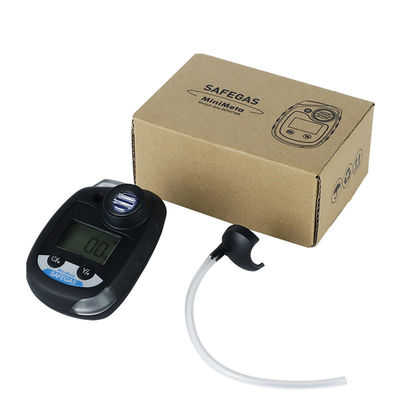
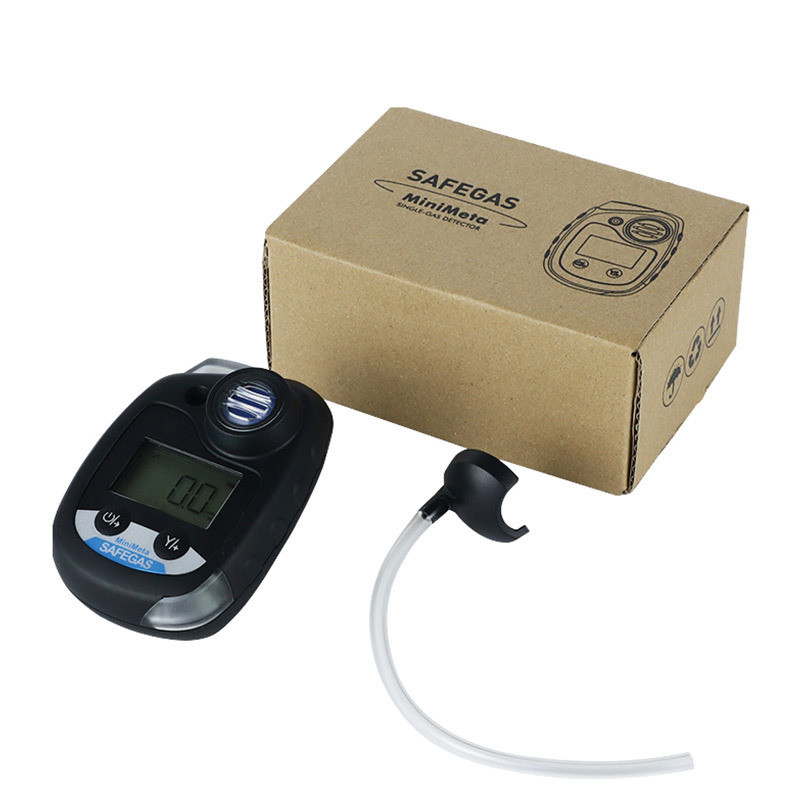
Standard Package
- Portable gas detector 1 piece
- Calibration cap 1 piece
- User manual 1 piece
- Certificate of conformity/ Warranty card 1 piece


 Your message must be between 20-3,000 characters!